To begin my portfolio on the Marks of Faithful and Effective Authorized Ministers, I invite you to watch this conversation. I sat down with Mike to discuss the Marks, my portfolio, and other big ideas about life in ministry. Ministry is personal and relational, and I hope that hearing from me will help ground my portfolio in depth and vulnerability that comes from embodied presence.
Along with my reflections on each Mark, I have provided a broad variety of examples that represent different aspects of my journey towards ordained ministry. Some examples come from seminary while others are directly drawn from my work. All represent my hope that these pieces may form a mosaic of my ministry.
I. EXHIBITING A SPIRITUAL FOUNDATION AND ONGOING SPIRITUAL PRACTICE
As a spiritual care practitioner, I have found that remaining connected to my own spirituality is important for providing compassionate and authentic care. I aim to encourage spiritual formation in others by modeling it and cultivating it within myself, as Jesus modeled in his life on earth. Through my education and experience, I have learned that rhythms of rest are deeply restorative practices for me. I maintain a balanced rule of life that prepares me for the kin-dom work of building bigger tables and loving people well. I practice listening to the Spirit so that I can engage in deep listening with careseekers. Spiritual grounding enables us to love and live with God. I know that I need to continue to work on intentionally prioritizing my own soul care in order to resist my natural tendency to over function and avoid feelings of burnout.
Examples
This Rule of Life was developed early on in my seminary journey. It serves as a guide map for engaging in spiritual practices that allow me to care for myself, which in turn encourages me in stewarding my energy and resources.
This reflection on the “Central Integration Question” from Fuller Theological Seminary is a piece that I revisit often as I continue to flesh out my sense of call.
I have also created some personal reflections on spiritual practices like Guidance, Rest, and Stewardship.
Recently, I preached a sermon on rest and stewardship as part of our church’s stewardship season (video below).
II. NURTURING UCC IDENTITY
Jesus Christ as the Head of the Church – the head on the Body of Christ – grounds the oneness of all Christians in connection, cooperation, and collectivism. We are called to model this non-hierarchical way of being through engaged, relational participation in our communities. Since the beginning of my time with the UCC, I have built relationships with other UCC churches and leaders in the Platte Valley Association. I have also engaged in ministry at the Conference level, leading in youth work at La Foret and at the Rocky Mountain Conference Annual Celebration. I have learned about our UCC history and polity through seminary and through intimate experiences of witnessing the way our polity navigates us through challenges. In my ministry, I seek to create hospitable spaces for storytelling, truth telling, and transformation. I would love to continue to expand my work, building stronger relationships with my Association and the Conference and establishing relationships with the national setting.
Examples
In the summer of 2023, I designed and led a pilgrimage for UCC students from the Greeley and Fort Collins churches. You can read about how I designed the trip using theoretical frameworks I learned in seminary. You can also read my reflection on the trip in this blog post.
The Settings of the UCC was an assignment for my Polity course. As a visual learner, I also drew up a diagram that aids in understanding the inter-working of each setting.
Reflections from the Youth Track is a write-up that details some of the work and learning I did in leading the Youth Track at the Rocky Mountain Conference Annual Celebration.
Corpus Christianum is a critical essay on the body of Christ metaphor, especially through the lens of Calvin and church history.
III. BUILDING TRANSFORMATIONAL LEADERSHIP SKILLS
I believe that as I partner with people in ministry, my enthusiasm and authenticity are key for empowering the people of God to listen for and live out the mission of God. Throughout my education, I learned that I have a natural tendency to see potential in people and develop it, and I am skilled at building connections between people, particularly across areas of difference. I would love to lean into this work more as I expand my ministry beyond children and youth formation.
In my particular context, I have worked to empower my students to affect change in the Church and in the world around them by partnering with the youth on Youth for Change, a Homelessness Prevention Fundraiser. For twenty years, the church’s youth hosted a Sleepout Fundraiser. In the last couple of years, the youth have been having conversations with me and our community partners about reforming the event to be more culturally aware and empathetic for people experiencing housing insecurity. This was a hugely important and successful event, where we brought in more than ten organizations who are fighting housing injustice to present to almost two hundred people from all over Fort Collins. We had a catered meal and a silent auction. We raised nearly fifteen thousand dollars. As I work with youth, I believe it is my job to make their ideas happen, and I want them to feel proud of the final product. Most of all, I am so proud of the way this event showed our community, including the elders in our church who loved the Sleepout, that change is possible and can be so positive.
Examples
The Youth for Change program offers a sense of what the evening’s presentations were like and the website has even more details.
This Youth Track Guidebook shows how I like to facilitate discussions with youth about what church should be like.
Worship for Children is a practical theology of worship that is accessible and engaging for our youngest friends.
This Youth Worship playlist is full of services that I have planned and led alongside my students.
IV. ENGAGING SACRED STORIES AND TRADITIONS
I have a deep love for the sacred stories of our faith. Studying and memorizing passages of the Bible were foundational for my faith development. I am also sensitive to the ways that our sacred texts have been maligned and weaponized over the course of history. I practice careful interpretation of these sacred texts almost every week, as I have shifted our “Time with Children” during the worship service into being an accessible presentation of the text. Each week, I write an introduction to the story that places it in its historical context and I invite everyone listening to it to enter into a posture of curiosity and wonder. I want these stories to feel alive and exciting, as they are to me. In this same spirit, I love to play with the sacred texts. I invite students to do their own translations and rewritings. We engage in rituals and traditions with our whole selves. I would love to feel more confident in leading this work with folks who are older than me and have lived with the traditions longer than me. I want them to know that I value tradition, and I see that new ways are possible and important for us.
Examples
Interpreting 1 Corinthians 6:9-20 was an opportunity for me to academically deconstruct the scriptural interpretation I grew up with and reconstruct a more affirming interpretation and theology.
This worksheet shows how a discussion I facilitated at a La Foret Youth Retreat created some beautiful and deeply wise youth translations of a passage out of Corinthians.
These bulletins for children I create each week help our young friends follow along what is happening in worship so they can engage in the rituals and traditions in a more attentive and intentional way.
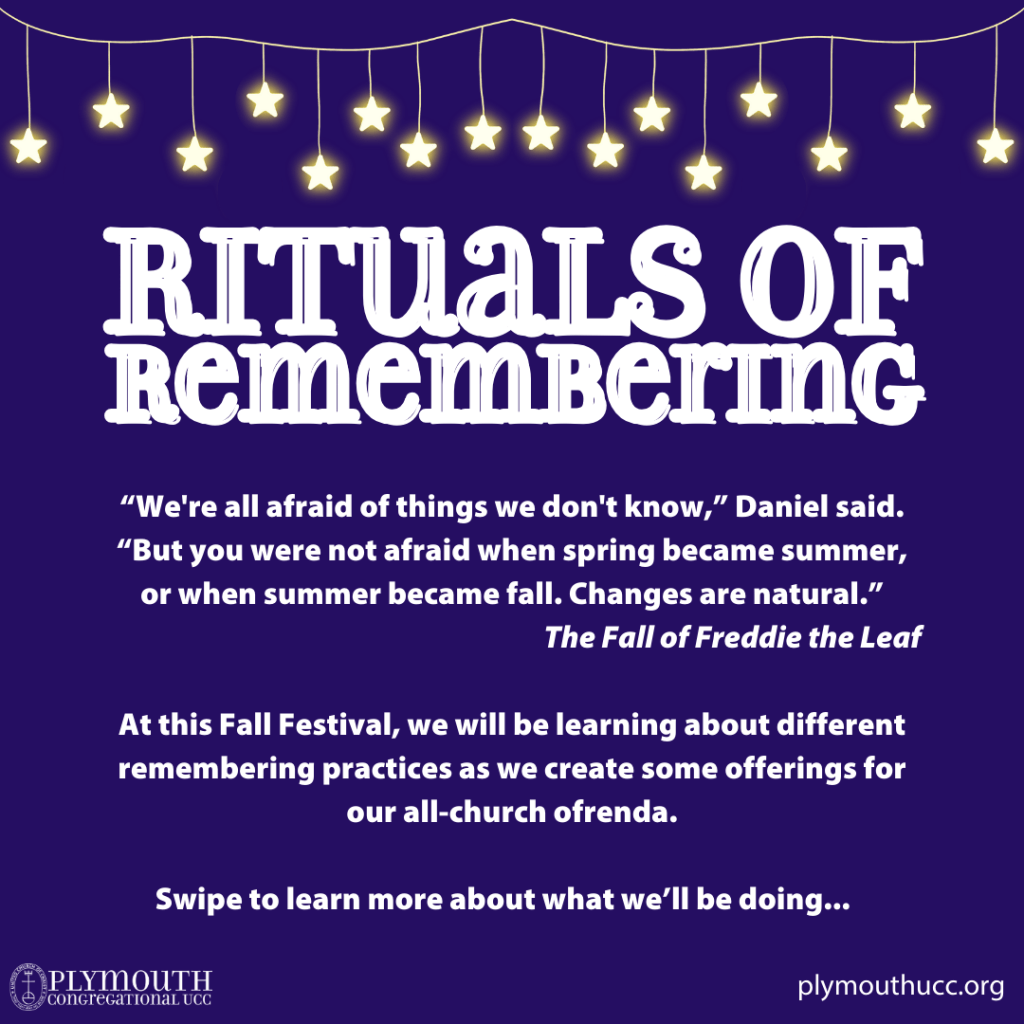
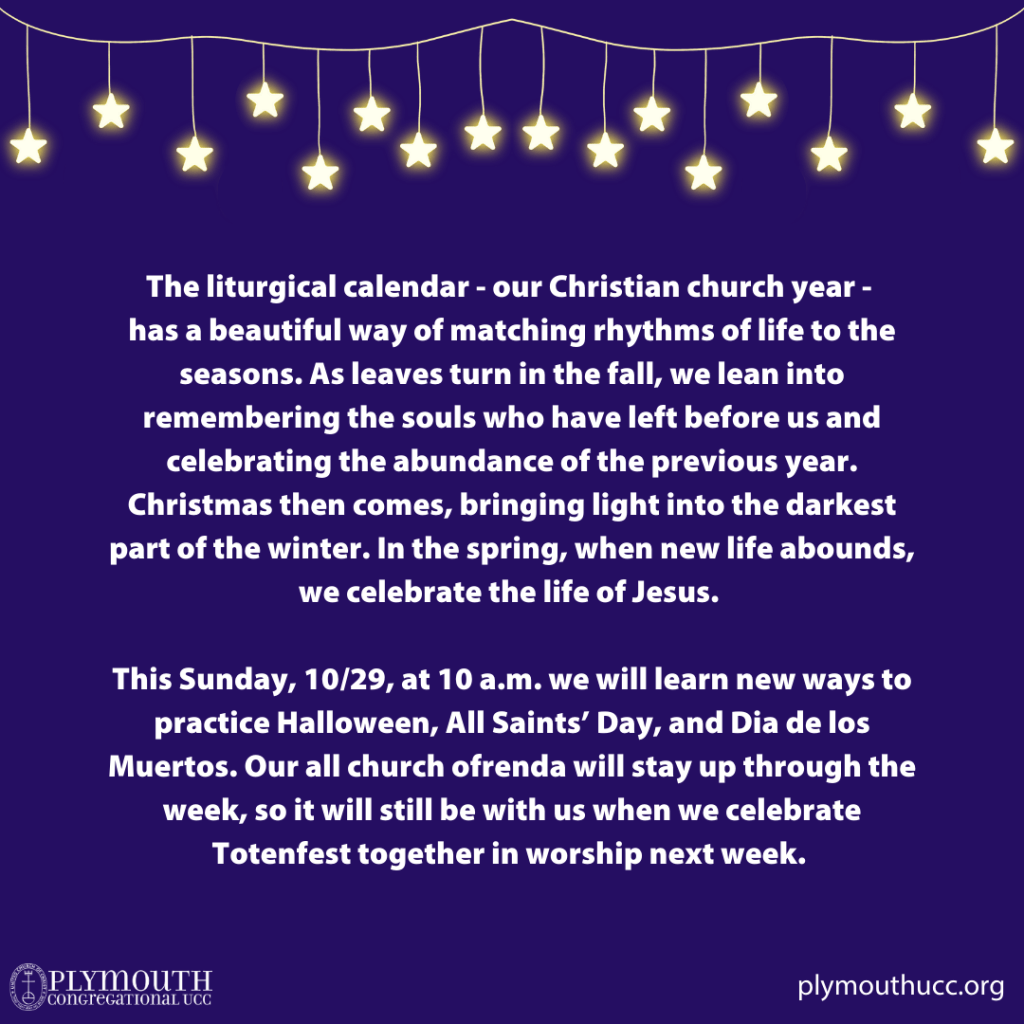
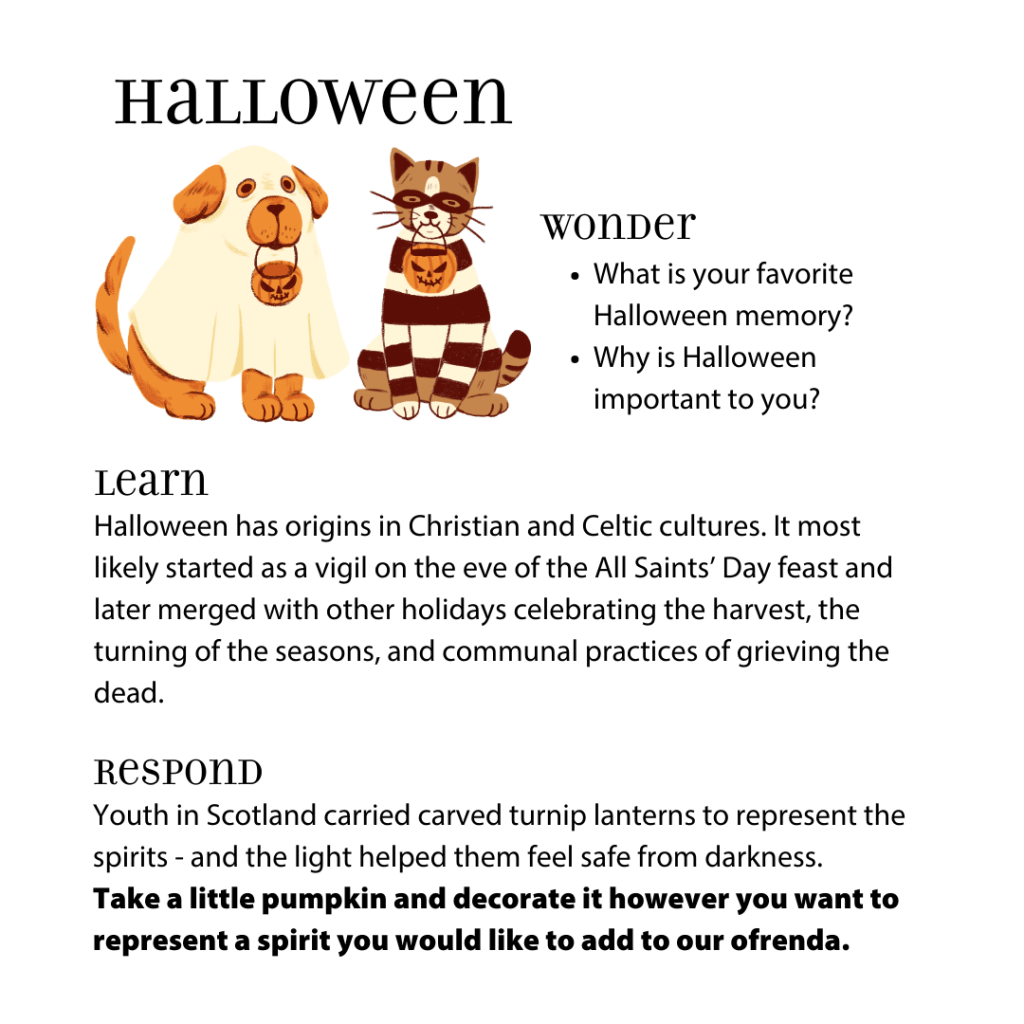
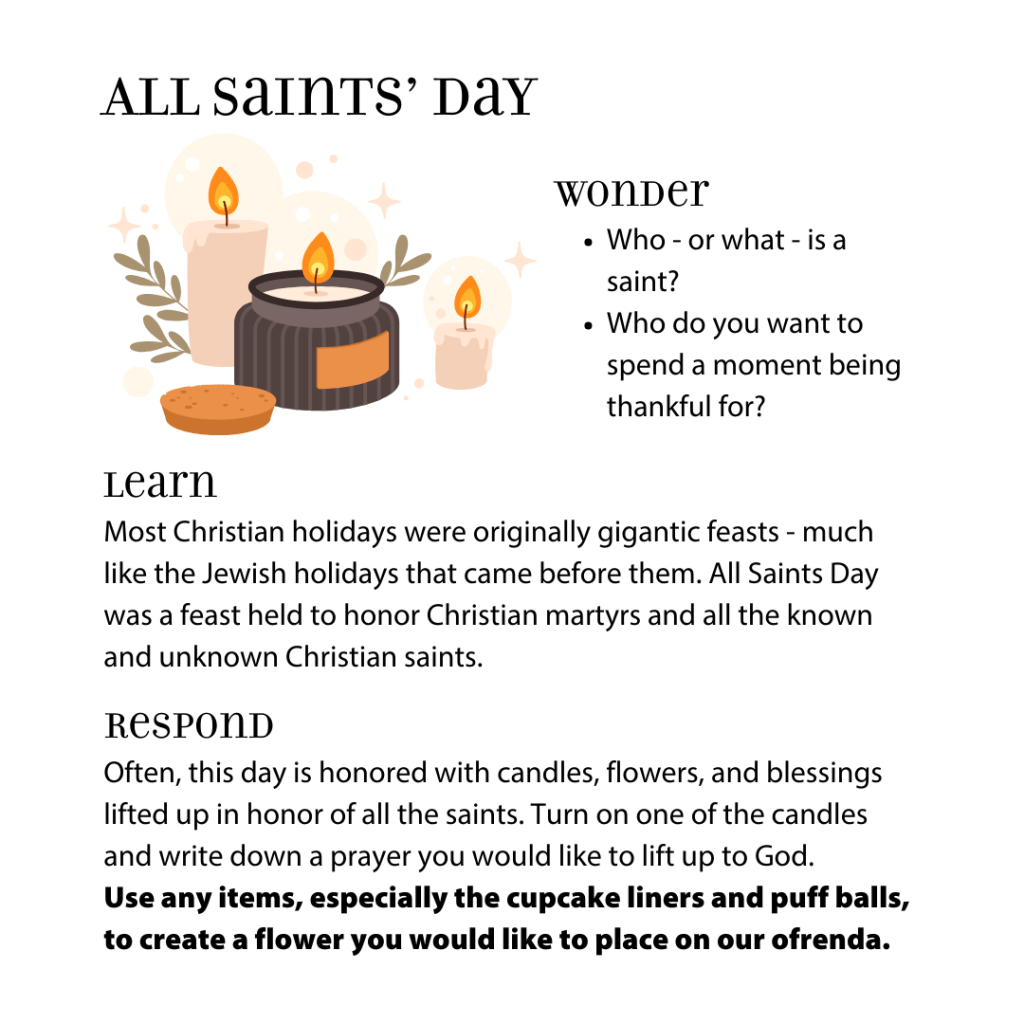
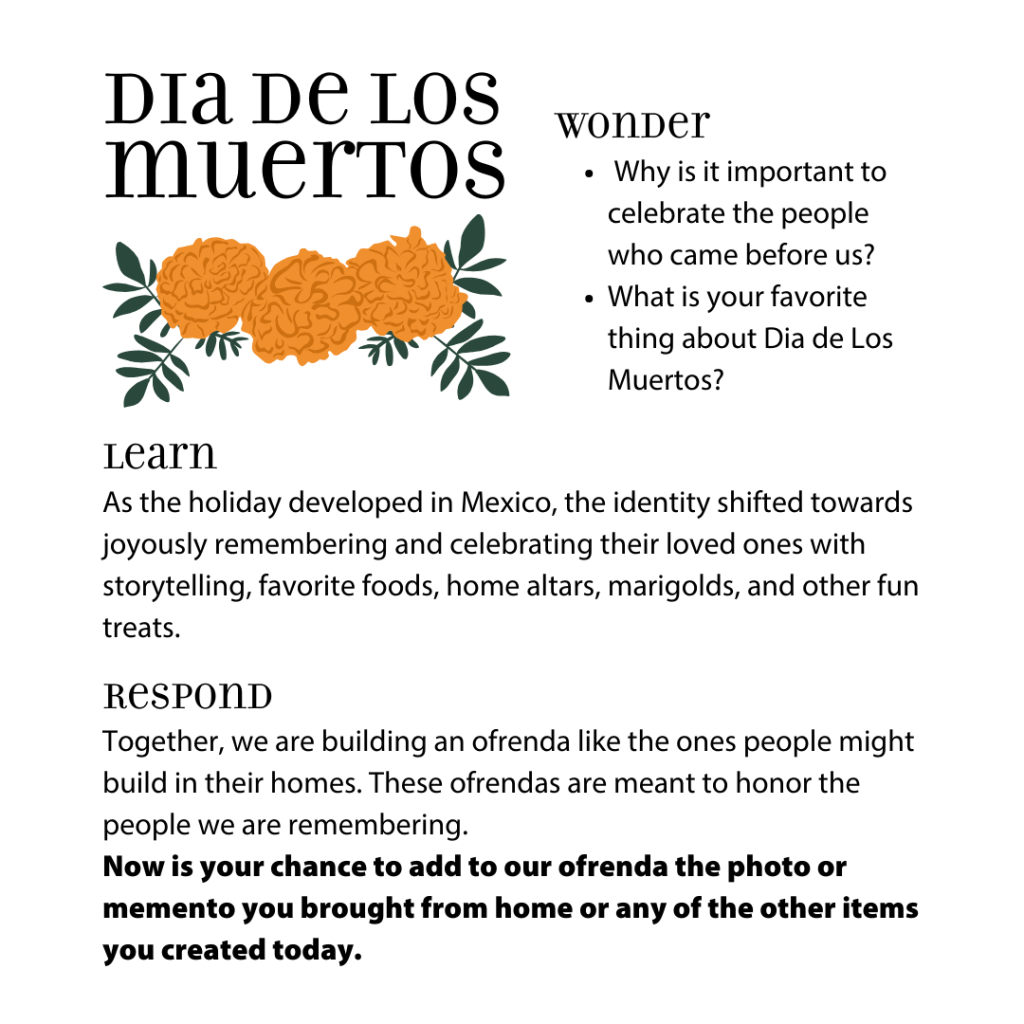
Rituals of Remembering (below) was a cross-generational formation offering that I created to engage in some sacred traditions around Halloween, Dia de los Muertos, and All Saints’ Day.
This YouTube playlist (below) has a few different moments where we got to play with the sacred text during worship.
V. CARING FOR ALL CREATION
I often lean on Jesus’ words: “The most important one is Israel, listen! Our God is the one Lord, and you must love the Lord your God with all your heart, with all your being, with all your mind, and with all your strength. The second is this: You will love your neighbor as yourself. No other commandment is greater than these” (Mark 12:29-31, CEB). I tell my students often that part of the commandment is to love yourself – something that plenty of us struggle with these days. God wants us to love ourselves as God loves us. I care for myself in therapy, in long walks, and in time well spent with my dear people. My spirituality is intertwined with my care practices, as displayed in my Rule of Life. I want to model these practices more, especially as I believe modeling this way of Love is important for the spiritual development of young people. I have completed Clinical Pastoral Education, where I practiced pastoral care conversations in both one-on-one and group settings. I am so blessed to be partnered with a congregation that cares deeply about the world.
Examples
This Collective Care Plan outlines the principles of how I plan to enact collective care in my ministry.
I created this Womanist Pastoral Care Resource based on Stephanie Crumpton’s work against intimate and cultural violence.
Here is a video of me discussing how and why I plan to integrate Womanist approaches to care in my ministry context.
I worked with our church’s Climate Action Ministry team on promoting Adult Formation that was centered on creation care, climate justice, and the idea of resurrection.
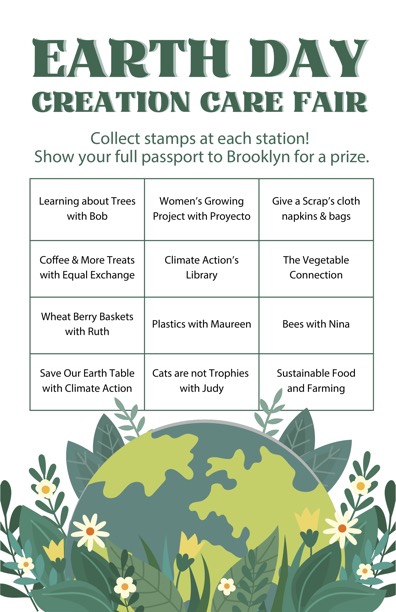
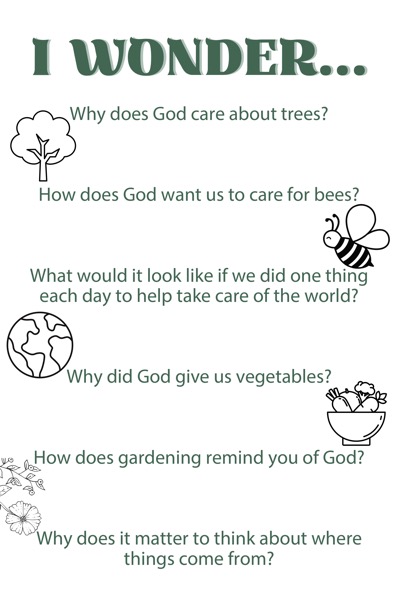
This Creation Care Fair Passport (below) shows the kind of formation experience I create each year for our students on Earth Day Sunday.
VI. PARTICIPATING IN THEOLOGICAL PRAXIS
What we believe about God is reflected in what we believe about ourselves and orients us to the way we live and make meaning. I have been a self-described theology “nerd” since taking Bible classes in middle school. I have moved through several different phases of my own theology, phases that have given me an abundant appreciation for faith that is meaningful and constructive. In the spirit of the universality of God and transcendent spiritual experiences, I love to partner with all kinds of faith-filled people. I resist working alongside people who uphold death-dealing and destructive theology. I believe that God is big enough to hold each of us in all of our diversity, but I also believe that God does not tolerate oppression or harm. I try to hold all of this in the same theological tension as I move through the world.
Examples
Colonialism and Christianity is a multimedia art piece and essay that explores the relationship between Christianity – particularly the early church – and colonization.
Renouncing Oppressive Theological Praxis in Light of the Doctrine of God was an essay that came out of witnessing how some Christians uphold white supremacy and internalized racism or homophobia.
The Trinity in Conversation with Diversity, Equity, and Inclusion explores social trinitarianism and the importance of diversity for the Spirit’s working.
This sermon playlist (below) highlights moments where I have engaged in meaningful theological reflection.
VII. WORKING TOGETHER FOR JUSTICE AND MERCY
I enjoy connecting people, especially when we all feel passionate about the same vision or mission. I know the United Church of Christ is often called the “United Church of Causes,” and in my belief – which is informed and inspired by Womanist theology – Jesus and justice are not separate. I have worked with my Christian Formation Board on nesting a Black church in our building and confronting the internalized racism in our church system. I have connected the Christian Formation Board with other areas of the church, like Outreach and Mission and the Deacons, in order to expand formation themes and opportunities. I have reformed my Christian Formation staff’s job descriptions to include an intentional focus on radical hospitality for visitors, families, and all church members. I have led youth service trips where we have worked with indigenous communities who are partnered with an Episcopalian mission partner. I know that threading service and outreach through my ministry is a growing edge of mine, and I want to be considerate and intentional about the opportunities I present.
Examples
I helped our Outreach & Mission Board develop this Imagine Project Grant, incorporating definitions of “emergent strategy” and “mutual aid” that I learned in seminary.
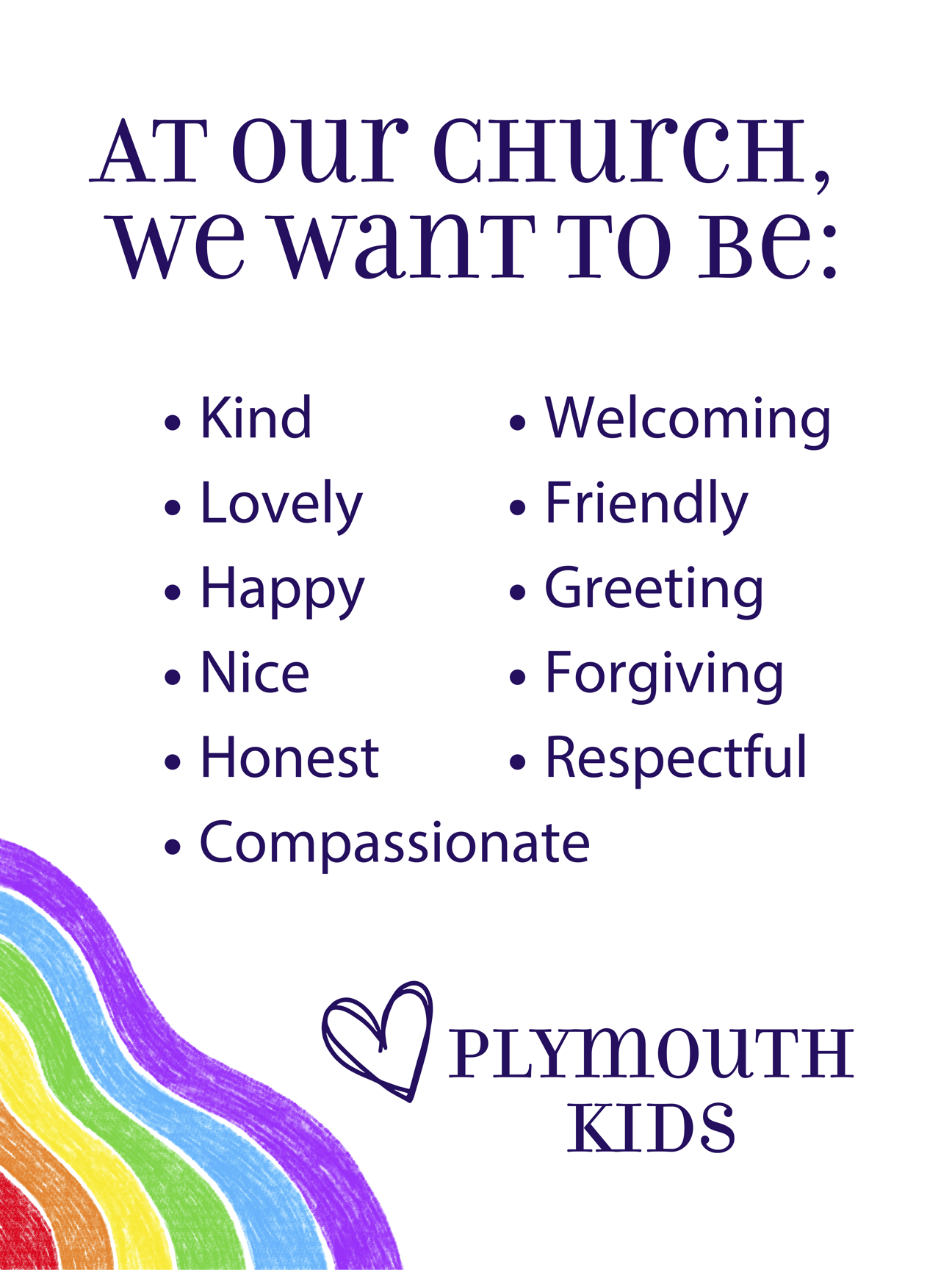
These Kids & Youth Covenants (below) display how we build relationships and agreements that empower us to work well together.

This Youth for Change web page displays how our work impacted our community.
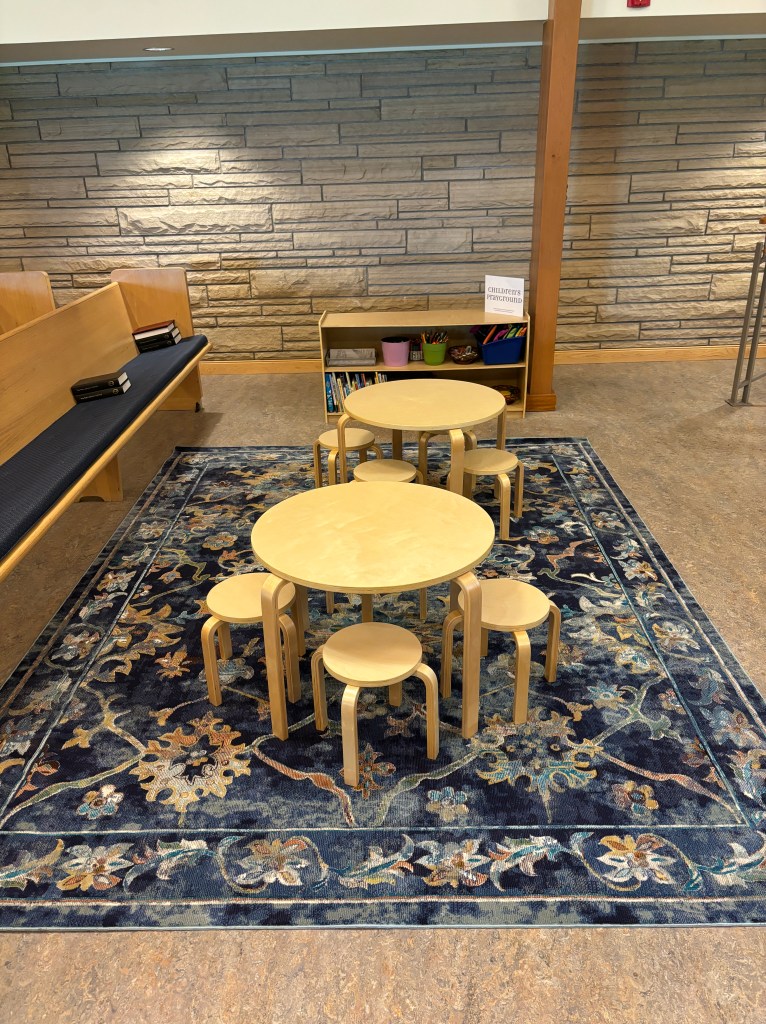
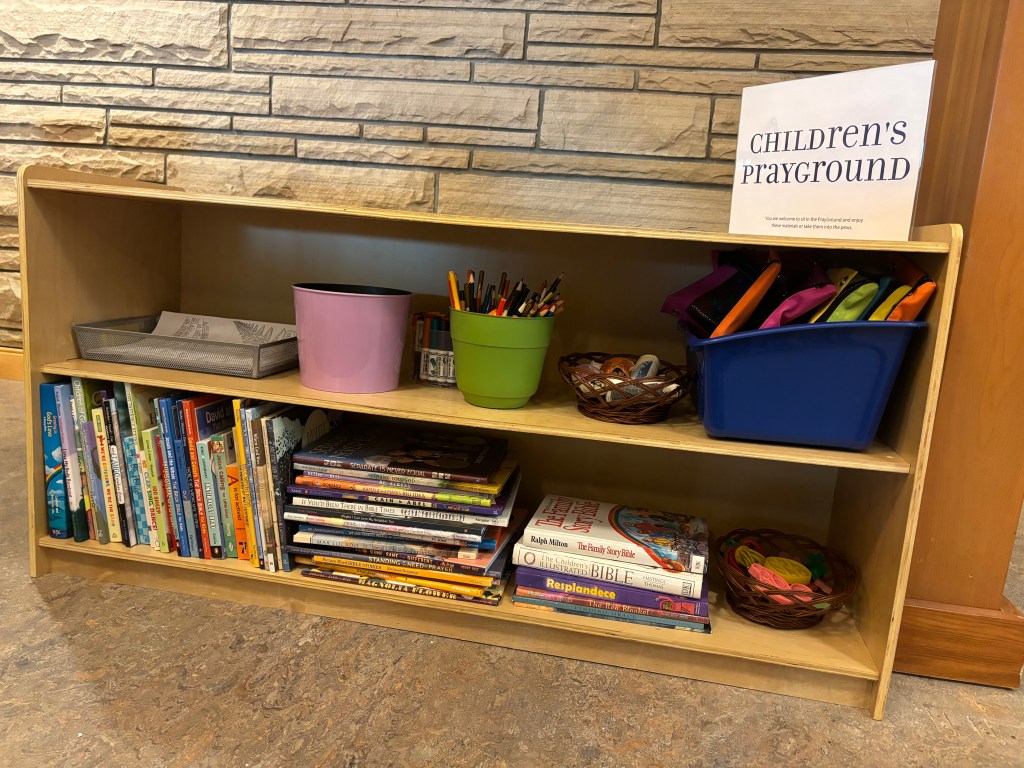
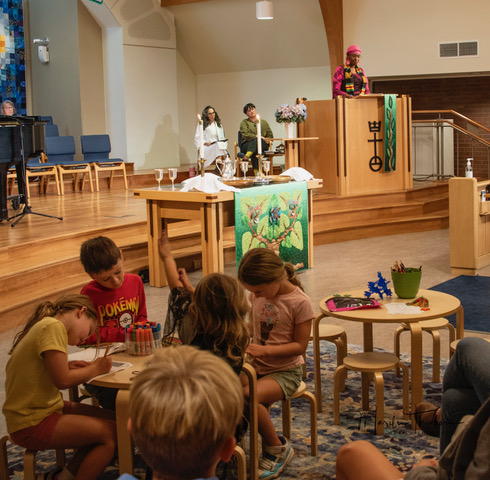
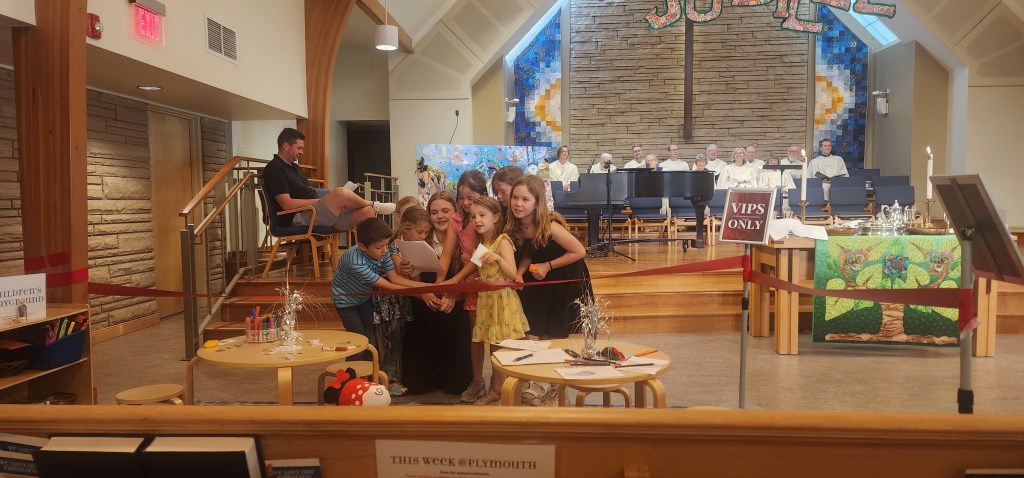
I also worked alongside our Christian Formation Board and our Deacons Board to create our church’s Pray Ground, a space designed for children to access and engage in worship. See photos (below), an informational pamphlet, and a short talk from me on why Pray Grounds matter (also below).
VIII. STRENGTHENING INTERPERSONAL AND INTRAPERSONAL ASSETS
At my core, I believe that all people are created in the image of God. Every person bears and reflects Divinity. This shapes the way I treat myself and the people around me. I believe ministry work intends to draw out and notice the Divinity all around us. We do this by following the model of Love that Jesus lived. We live and love in community with each other. I receive coaching and spiritual direction. I seek out mentors and co-conspirators. I believe that making space for a variety of voices allows for the diversity and unity of the Spirit to rise to the surface, so I invite several perspectives into my work. Ultimately, I want everyone I meet to feel love and warmth from me, as I imagine that is what we might feel if Jesus were sitting in the room with us.
Examples
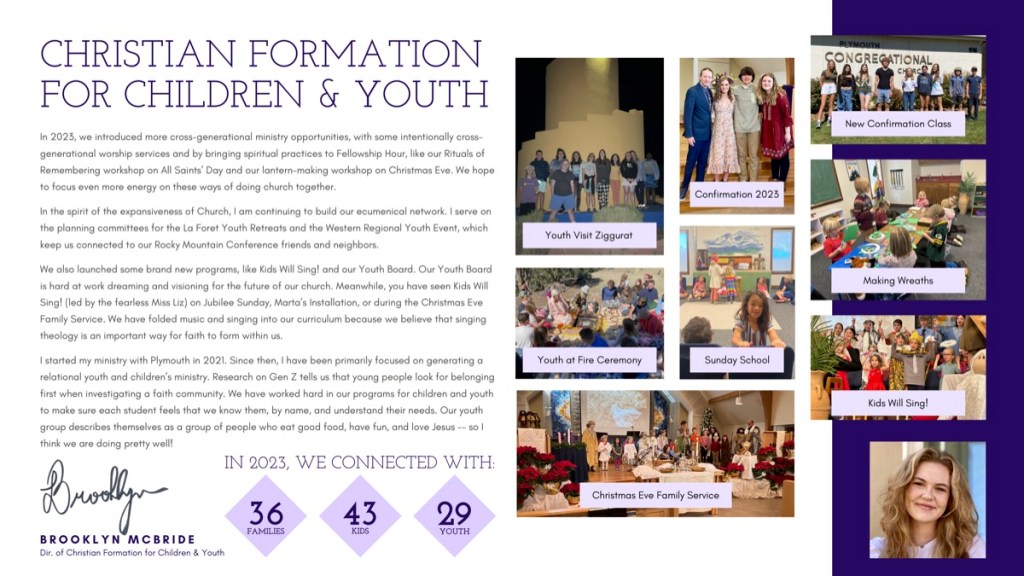
This Formation Ministry Update (above) communicates highlights of my work and ministry from 2023.
A Practical Theology of Vocation traces some of my own experience with the development of my vocation, especially being a woman in a historically male-dominated field.
This Ministry Handbook speaks to my vision and mission, including much of the work explored through my portfolio.
This Curriculum Map offers a glimpse into how I approach formation across development stages for children and youth.
This Critical Vocational Imagination sums up my learning, my imagining, and my needs as I work through ideas about who I am and what I am meant to do.
Much love,

 BROOKLYN